A Brief History of the Double-Decker Bus: From Horse-Drawn to Electric
Two decks, one staircase, and a view most buildings can't offer. The double-decker bus looks like an obvious idea, yet it took roughly a century of ladders, legislation, war service and engine trouble to become the vehicle that now glides quietly through city centres on battery power. The story runs from a Paris bath-house owner to Hong Kong commuter routes, and it isn't finished yet.
The Omnibus Learns to Stack
Public transport with a roof began as a single-deck affair. Horse-drawn omnibuses appeared in Paris in the 1820s; the name, Latin for "for all", stuck. London caught on in 1829, when George Shillibeer ran a service from Paddington to the Bank of England with a three-horse vehicle carrying around twenty passengers.
Rooftop seating arrived quickly, because operators wanted the extra fares and nothing structural stood in the way. Early double-deckers had no stairs at all: you climbed a ladder onto a long bench running lengthways, with a raised back separating you from the passengers facing the other way. The nickname was a "knifeboard", after the board used for cleaning carving knives.
By the 1880s a friendlier arrangement had taken over: "garden seats", low forward-facing benches in pairs, reached by a proper spiral staircase. It was more stable, cheaper to build, and easier to accept for passengers who had been put off scrambling onto a crowded roof with their skirts and shopping. Long before the engine turned up, the geometry was fixed — two decks, stairs, and a conductor collecting fares.
Steam First, Motors Later
Steam buses ran in Britain in the 1830s, and were effectively suffocated by tolls and rules. From 1865, self-propelled vehicles had to be preceded by a man on foot carrying a red flag, and to travel at walking pace in towns. That requirement disappeared only in 1896, by which time horse trams and then electric trams had taken most city traffic.
The motor bus arrived from a different direction. In 1895, a Benz-powered vehicle carried passengers between Siegen and Netphen in Germany — generally described as the first motor bus route. Petrol buses reached London around the turn of the century, and the first generation was charming but fragile. Tyres failed, engines boiled, and a breakdown in the middle of a busy street was an ordinary Tuesday.
The B-Type and the Covered Top
Reliability arrived with the B-type, designed for the London General Omnibus Company and in service from 1910. It was a genuine production vehicle rather than a workshop experiment, and close to three thousand were built. When war broke out in 1914, B-types and their drivers were shipped to France for troop transport; one survivor, known as "Ole Bill", is preserved in London.
The 1920s changed what it felt like to ride upstairs:
- Covered tops replaced open roofs on city buses, so a wet day no longer meant a wet seat.
- Pneumatic tyres and improved suspension smoothed out the cobbles.
- Enclosed staircases separated the upper deck from the weather.
- Wooden benches gave way to upholstered seats, with better lighting and heating.
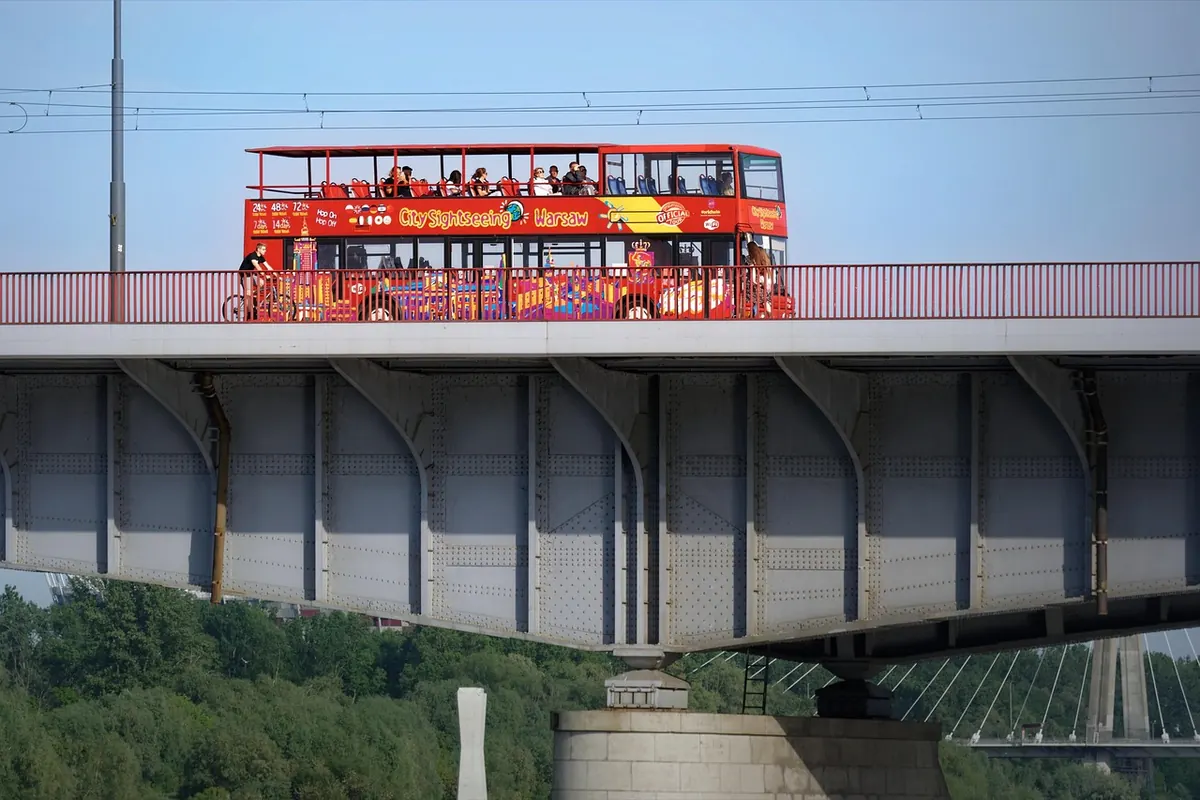
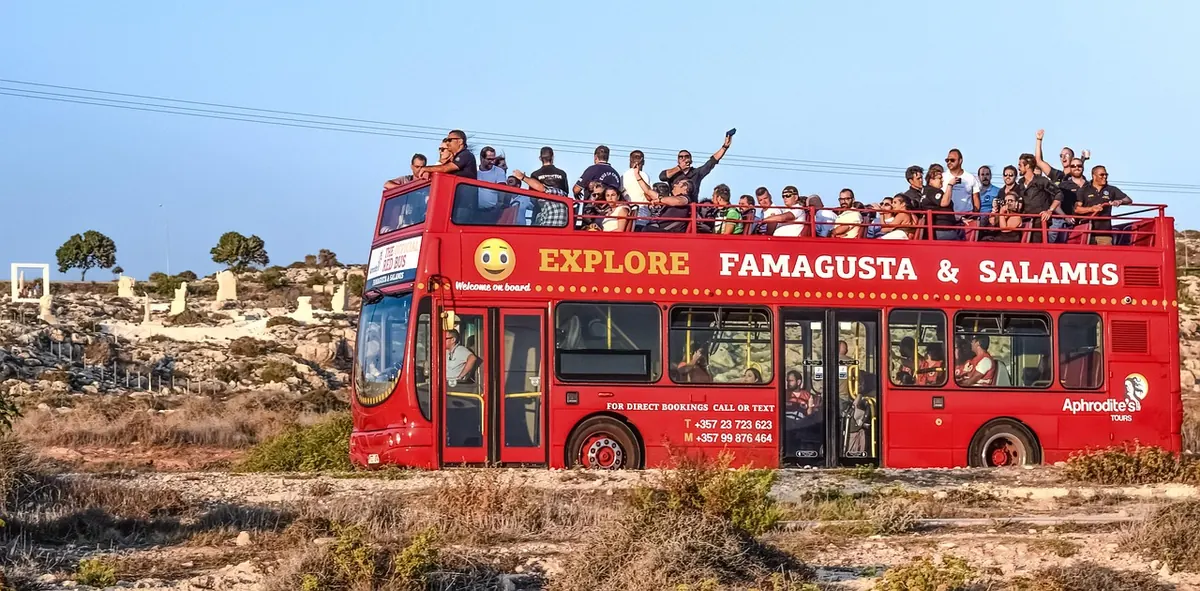
By the 1930s the open top had largely retreated to sightseeing work, where it remains. The same decade brought consolidation: small competing operators were merged into large municipal and regional fleets, and bus design settled into the pattern it would keep for fifty years.
The Routemaster and the Shape Everyone Knows
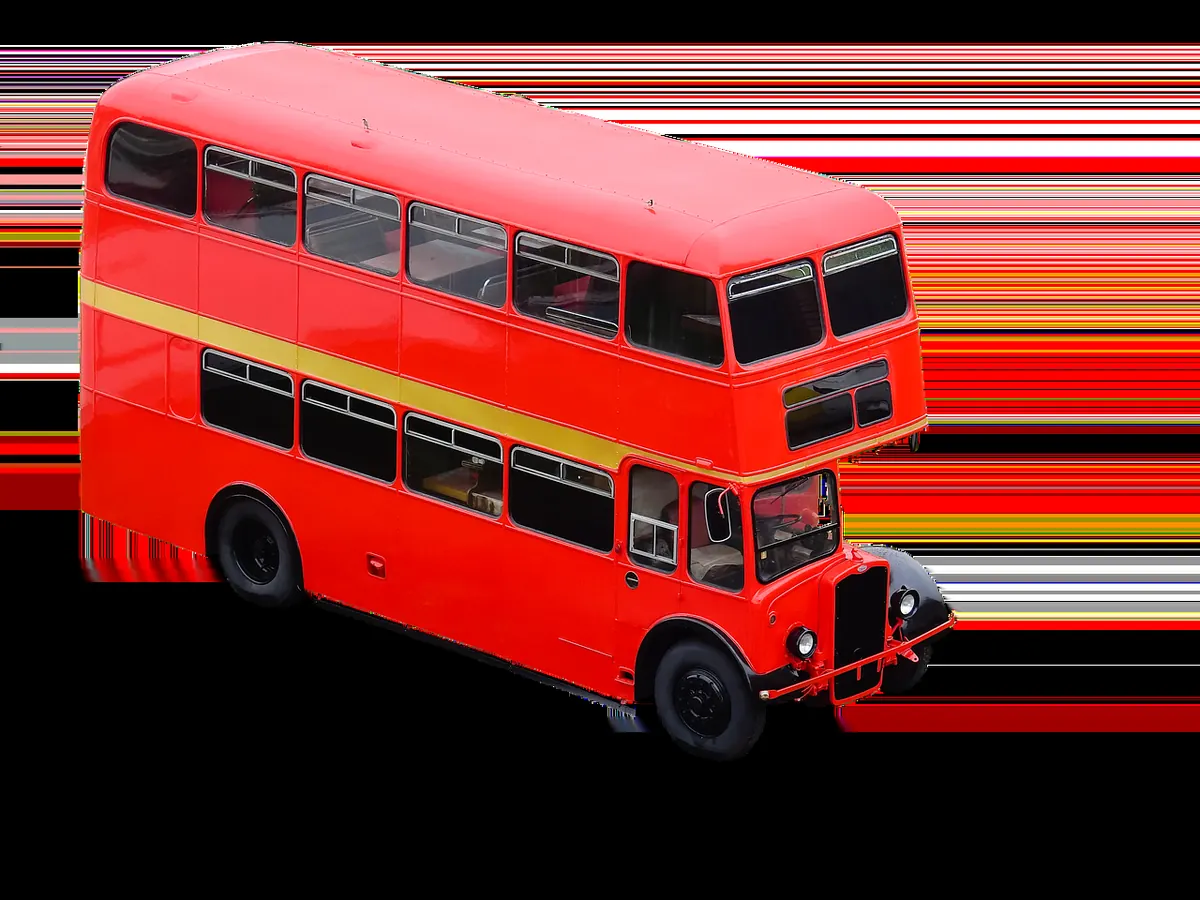
London's Routemaster, designed in the early 1950s and in service from 1956, is the vehicle most people picture when they hear "double-decker". It was light for its size, with aluminium bodywork and independent front suspension. Two details mattered more than any technical specification: the staircase at the rear, curving down into an open platform, and the conductor who stood there.
That platform let passengers step on and off between stops, which kept dwell times short in heavy traffic. It also made the conductor essential, and the conductor made the vehicle expensive to run. The last new Routemasters were delivered in 1968, yet the type kept working for decades; the final examples on ordinary London routes finished in 2005, with heritage routes running for some years afterwards.
Low Floors, Doors and the New Routemaster
From the late 1990s a different priority took hold: access. Step-entrance bodies gave way to low-floor chassis with a kneeling suspension, a wheelchair bay and a ramp, driven by disability legislation in several countries. That shift effectively ended the open rear platform in most cities, because one-person operation needs doors the driver can see and control.
London's New Routemaster, in service from 2012, tried to have both: a low floor, front doors, and a rear open platform staffed by a second crew member. It looked bold and rode well, but the sums didn't hold. Crews were withdrawn, the rear platform was closed, and the vehicle settled into life as a conventional — if unmistakable — city bus.
Battery Power and the Weight Problem
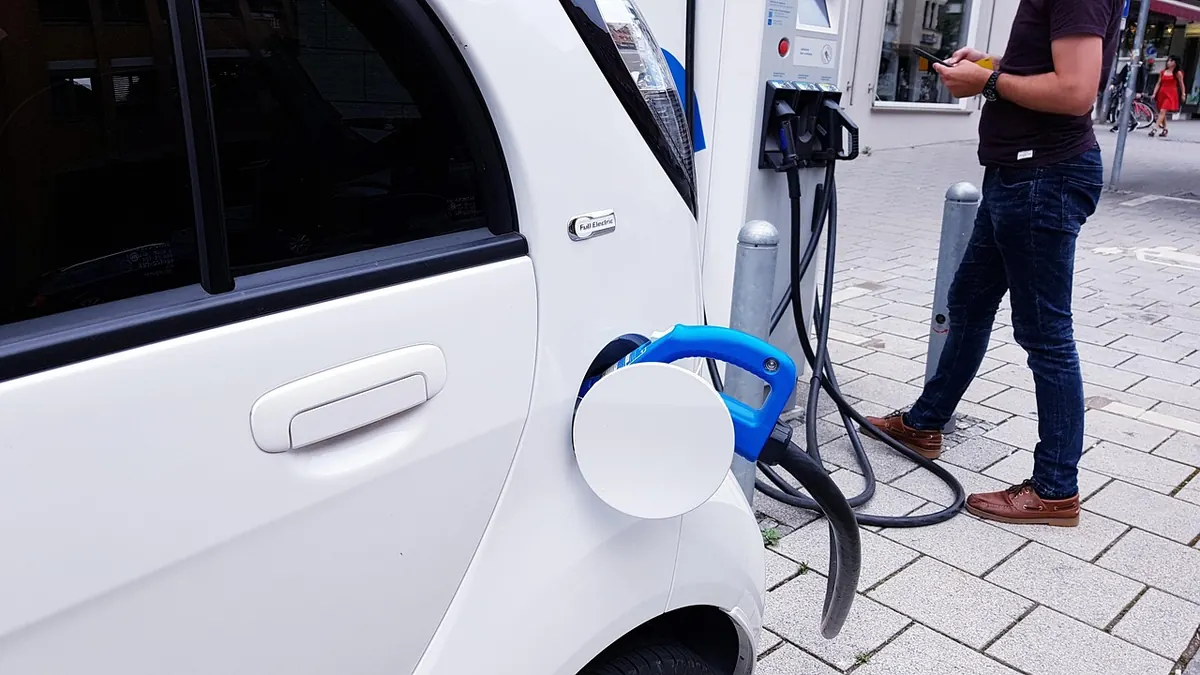
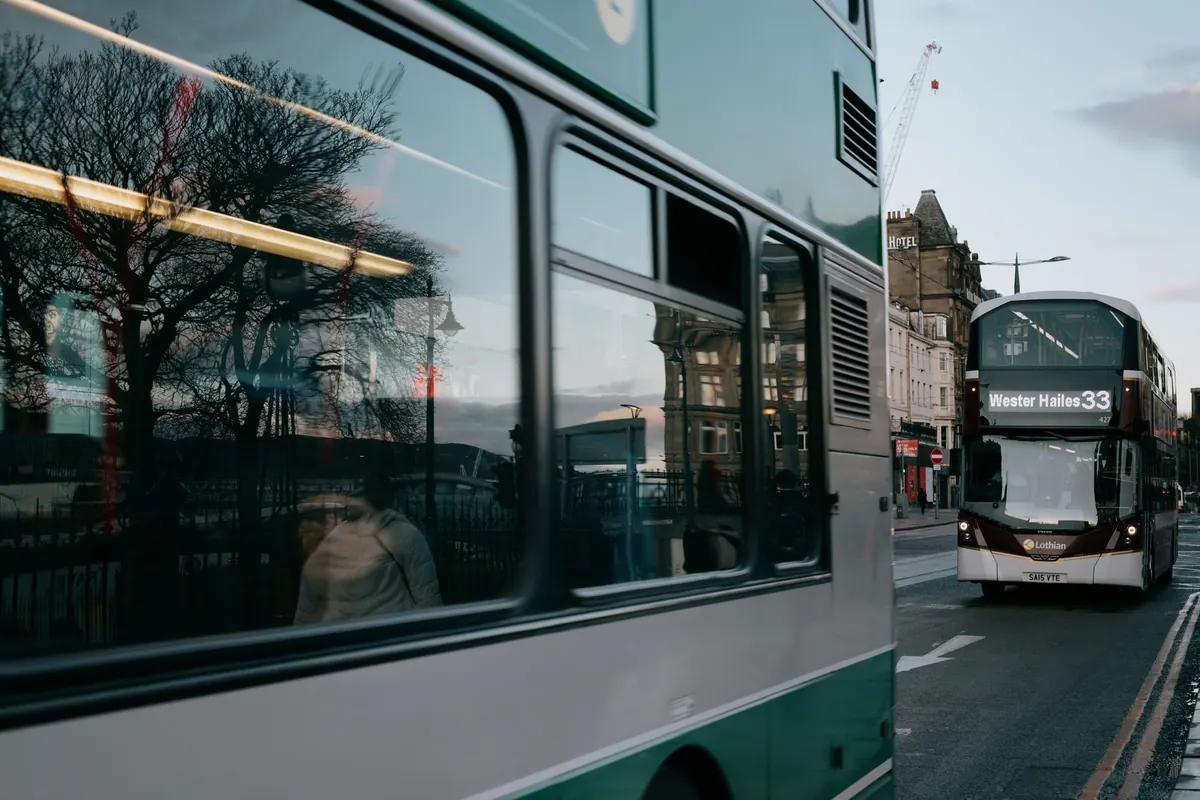
Battery-electric double-deckers now run in London and other British cities, in Dublin, and across parts of Europe and Asia, with manufacturers including BYD, Alexander Dennis and Wrightbus competing for orders. Hong Kong operators, who have run double-deckers in enormous numbers for decades, have been testing them as well.
The engineering is harder than for a single-decker, and the same three problems keep coming up:
- Weight. A fully loaded double-decker is heavy to begin with, and batteries add more. Chassis, axle ratings and gross vehicle weights all have to be reworked.
- Range. Long routes, hills and cold weather eat into it, so operators charge overnight at the depot or install pantograph charging at termini.
- Climate control. Heating and cooling a two-deck body draws serious power, and that comes straight off the range.
Hydrogen fuel-cell double-deckers exist too, refuelling quickly but depending on a hydrogen supply that many depots don't yet have. In practice, most fleets are mixing technologies route by route, matching the vehicle to the duty cycle rather than betting everything on one fuel.
Reading a Bus by Its Stairs
Next time one pulls up, look at where the stairs are. A staircase at the back, with an open or glazed platform, belongs to the conductor era. Stairs at the front, beside the driver, are the signature of one-person operation — and, by extension, of the low-floor, door-controlled buses almost everywhere now.
To see the earlier chapters, the London Transport Museum in Covent Garden and the London Bus Museum at Brooklands in Surrey both hold double-deckers spanning horse, petrol and diesel eras; similar collections exist in other countries, and many operators bring preserved buses out on event days. Check the operator's own website for dates rather than trusting a listing you found elsewhere. And when you do ride one, take the front seat upstairs. It has been the cheapest grandstand in the city since the 1840s, and it still is.
Photo: Bru-nO / Pixabay
You Might Also Like
Combine day passes, off-peak travel and short walks to turn a double-decker bus into an affordable all-day adventure, with practical tips for planning routes and timing.
Battery-electric double-deckers pair high-capacity bodies with electric drivetrains, and their range, charging and route planning decide whether they work for a given network.