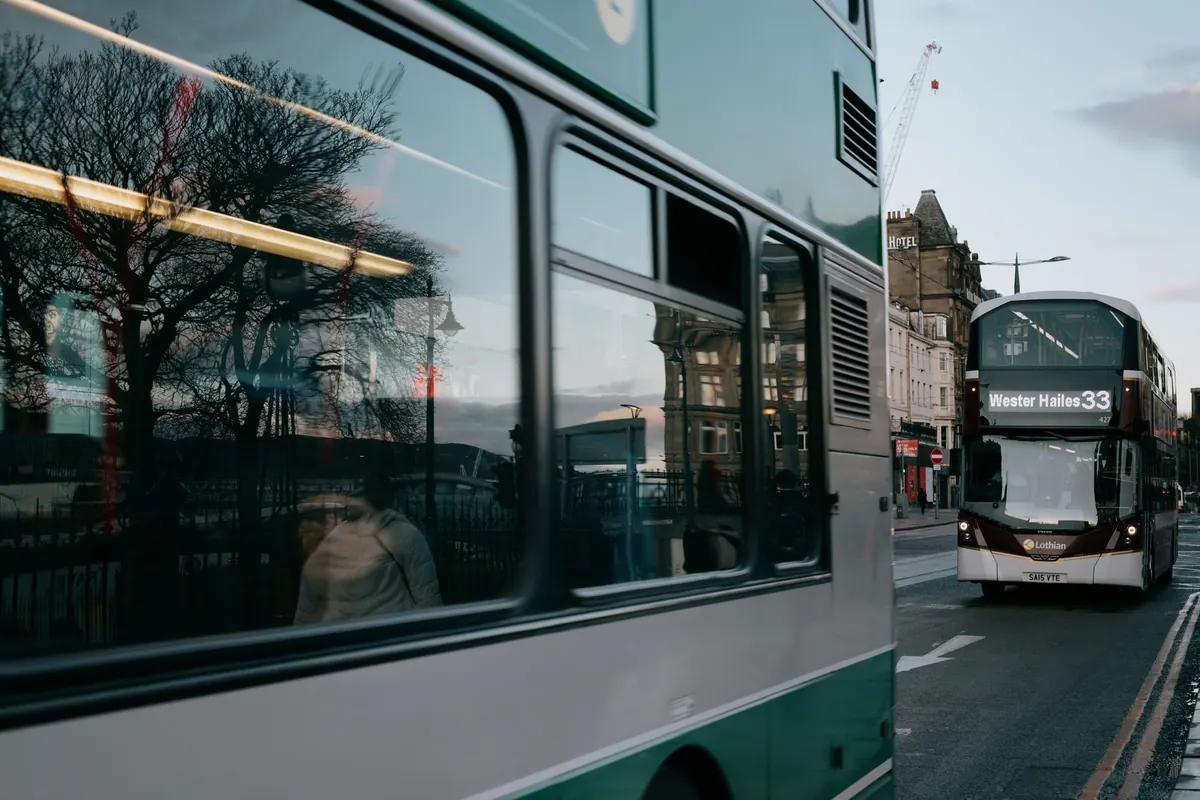
How to Plan a Double-Decker Bus Day Trip on a Budget
A double-decker bus is the cheapest sightseeing vehicle most cities have. You do not need a tour ticket to get the top-deck view. With a little planning, a day pass, off-peak timing and a pair of comfortable shoes, you can turn ordinary public transport into a full day out for the price of a few coffees.
Start with a route, not a destination
Most people choose a place to visit, then look for a bus. Do it the other way around. Open the local transport operator’s route map and look for a line that crosses interesting ground: a river, a park, a market district, a hill with a view. A route that begins in a residential neighbourhood and ends in the city centre often gives you the best mix of everyday life and landmarks.
Check how often the bus runs. A route every ten minutes gives you freedom to hop off when something catches your eye. A route every hour turns a relaxed day into a timetable puzzle. If you are travelling with children or anyone who tires easily, favour shorter routes with frequent stops. You can always combine two routes instead of riding one long line from end to end.
Make day passes and fare caps do the heavy lifting
Tourist hop-on hop-off buses are convenient, but public double-deckers usually cost far less for the same top-deck views. The trick is to understand how your city charges. Many networks offer a day pass, a group ticket, or a daily cap on contactless payments. Once you hit the cap, further journeys that day are effectively free. Off-peak passes can be cheaper still.
Before you travel, answer these questions on the operator’s website or at a staffed station:
- Does a contactless card or phone cap daily fares automatically?
- Is a paper or app day pass cheaper than paying for each ride?
- Do children travel free or at a reduced fare, and up to what age?
- Does the pass cover buses only, or also trams, metro and ferries?
- Is there a separate off-peak product, and when does it start?
- Can you buy the pass on board, or only in advance?
Fares and caps change, so treat any old blog post as a rough guide. Check the current rules before you tap. A small amount of research can cut the cost of a family day out dramatically.
Travel off-peak, even on a day out
Peak hours are for commuters. If you can avoid the morning rush and the late-afternoon school-and-office crush, you will pay less in many cities and get a calmer ride. Aim to start around mid-morning and head home before the evening peak begins. On weekends, the middle of the day can be busy, but there is rarely a commuter surge. Sundays may have reduced timetables, so check first.
Weather matters too. Rain pushes people inside, and the top deck can be wet or windy even when the lower deck is comfortable. A dry, mild weekday is ideal. If you are flexible, Tuesday to Thursday often feels quieter than Saturday. Use a live departure app to see how full the next bus is, or simply let one go and take the next if it looks packed.
Use walking connections to stitch routes together
The best budget bus days are not spent entirely on the bus. Get off a stop or two early and walk. A ten-minute stroll between two routes can take you through a market, along a canal, or across a bridge with a view. That walk replaces a fare, stretches your legs, and often becomes the part you remember.
Plan connections loosely. Look for a park path, a pedestrianised street, or a river crossing that links two bus corridors. If your route is a one-way loop, you may need to walk back to the starting point or catch a different line. Check the map for hills and busy roads before you commit. An offline map on your phone is useful, but a paper map never runs out of battery.
Pack light, spend little on board
A refillable water bottle and a few snacks from a supermarket can save more than a fare. Bring layers, because the top deck can be sunny at the front and breezy at the back. A small bag that fits on your lap is easier than a backpack you have to wrestle down the stairs. If you plan to sit at the front of the top deck, be ready to move for other passengers and keep the aisle clear.
Use contactless or a pre-loaded card rather than buying single tickets every time. Keep your ticket or pass visible. On busy routes, board at the front and move upstairs quickly. If you are travelling with a pushchair or a wheelchair, check which routes use accessible vehicles before you leave, as older double-deckers may have steps and narrow staircases.
A sample budget day on two decks
- 9:45 a.m.: Buy or tap in with an off-peak day pass at a quiet station or on board.
- 10:00 a.m.: Ride route A from a suburb to the city centre, sitting upstairs for the approach.
- 11:15 a.m.: Get off one stop early and walk through a market or park to route B.
- 12:00 p.m.: Take route B across a river or through a historic quarter.
- 1:00 p.m.: Eat a packed lunch on a bench, then walk a short connector to route C.
- 2:30 p.m.: Ride route C to a viewpoint or residential neighbourhood, then return on the same line.
- 4:00 p.m.: Head back before the evening peak, using your pass for one last journey.
This plan uses three routes, two short walks, and one day pass. It avoids tourist-bus prices and gives you time to sit, watch and wander.
Read the small print before you tap
Check the last bus times, especially in smaller cities or on Sundays. Some routes switch to night buses with different fares. Zone systems can catch you out: a day pass for the central zone may not cover a scenic route just outside it. If you are unsure, ask a driver or station agent before boarding. Keep your payment card separate from your phone if both can tap, so you do not accidentally pay twice.
This is general budgeting advice, not financial advice. Fares, caps and passes change often, so confirm current details with the transport operator. If you have mobility concerns, a medical condition or young children, plan shorter segments and check accessibility information in advance.
Make the next trip even cheaper
Save your route notes. Write down which stops had the best views, where you found a clean toilet, and which connection felt too rushed. Next time, you can skip the research and go straight to the good part. A double-decker day trip works best when you treat the bus as the attraction, not just the way to get there. Pick one route, ride it to the end, walk a little, and let the day unfold. The top deck is waiting, and the fare is probably less than you think.
Photo: DariuszSankowski / Pixabay
You Might Also Like
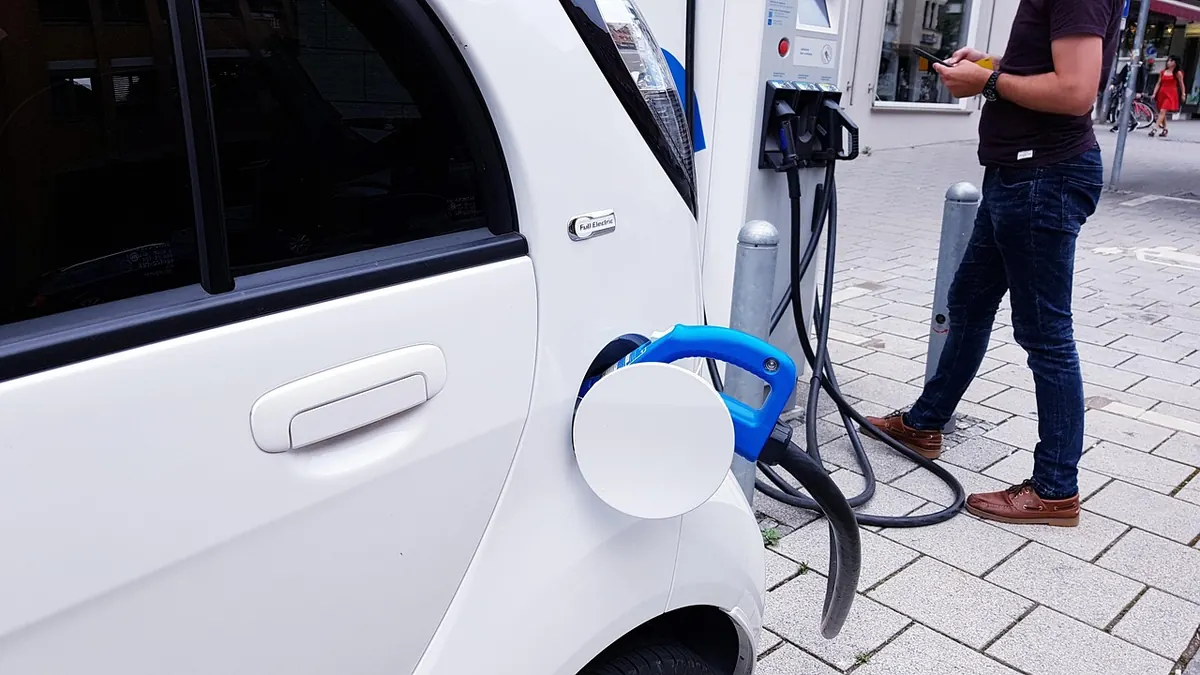
Battery-electric double-deckers pair high-capacity bodies with electric drivetrains, and their range, charging and route planning decide whether they work for a given network.
Which Edinburgh bus routes give the best castle views, Old Town streets and coastal day trips — plus where to sit and when to ride.