Seasonal Double-Decker Bus Rides: What to Expect in Spring, Summer, Fall, and Winter
A double-decker bus ride is never quite the same ride twice. The route may be identical, but in March you are dodging showers on wet vinyl seats, in July you are hunting shade that does not exist, and in late November you are watching a city switch on its lights from ten feet above the pavement. Seasons change what you see, how long you can comfortably stay upstairs, and how you should dress. Here is what to expect, month by month, and how to plan around it.
Spring: Showers, Blossom, and a Quiet Upper Deck
Spring is the season of second-guessing the weather. A morning that starts clear can turn grey by noon, and open-top buses often run with a mix of covered and uncovered seating until the weather settles. Wet seats are the real hazard: vinyl holds water, and the handrails on the staircase get slick. Carry a small cloth or a folded plastic bag to wipe down a seat before you commit to it, and keep one hand free on the stairs.
There is an underrated advantage to early spring. Before the trees leaf out, upper-deck views of facades, domes, and rooflines are far clearer than they will be in June, when foliage closes in and frames everything. Crowds build around school breaks and long weekends, so a weekday first departure is still your best shot at the front row.
Summer: Heat, Glare, and the Front Row
The upper deck is the sunniest place in the city and, on an open-top bus, the least forgiving. There is no shade, the road surface radiates heat upward, and the breeze that feels pleasant at a stop disappears into a steady drying wind once you move. That wind will not stop you burning. Sunscreen, a hat with a chin strap, and a water bottle with a lid you trust are not optional extras.
Crowds peak between late morning and mid-afternoon, especially at the big stops where several routes converge. Queues that take two minutes in April can take twenty in August. Ride the first bus of the day if you can, or the last departure before dusk when day-trippers have gone to dinner.
Watch the sky in the afternoon. Summer thunderstorms arrive fast, and the scramble for covered seats is genuinely competitive. Find the stairs and the nearest covered section before the clouds build, not after the first drops land. On extreme heat days, an enclosed bus with air conditioning is a sensible fallback rather than a compromise.
Fall: The Best Light of the Year
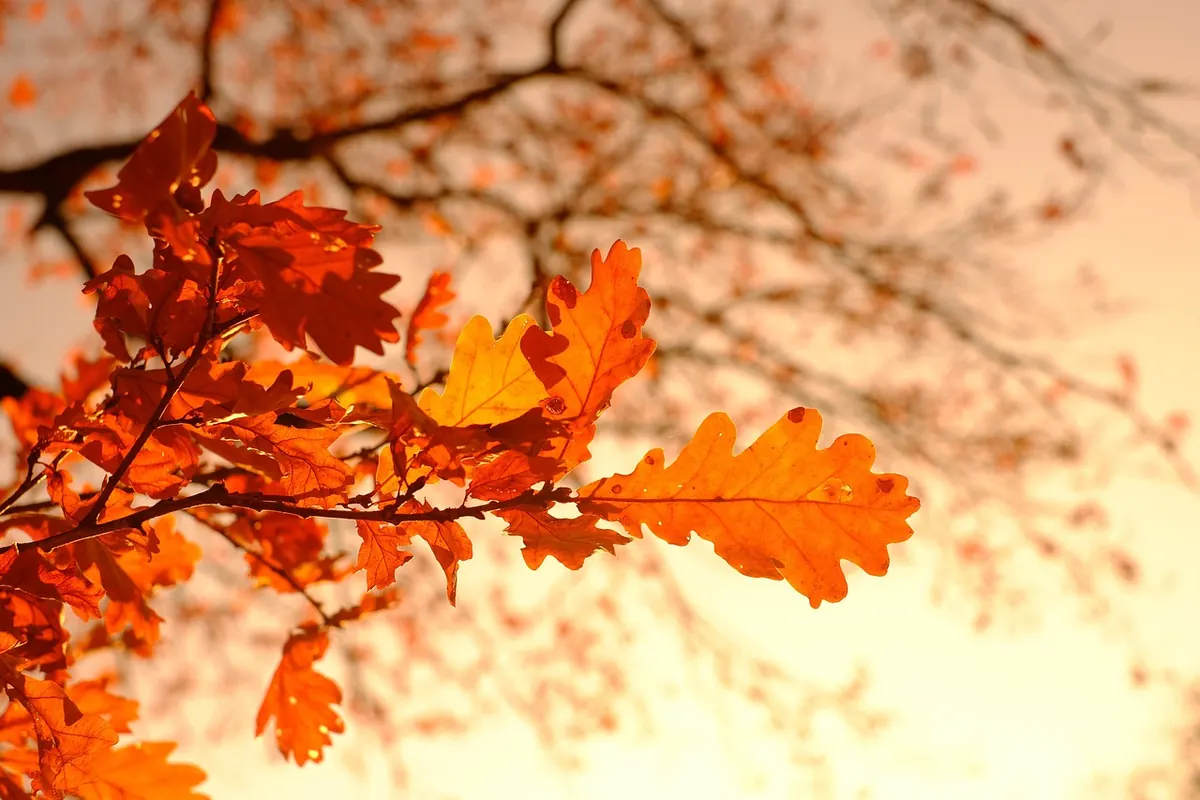
Cool, clear air, low sun, and turning leaves make autumn the connoisseur's season for a top-deck ride. Visibility is often at its best, and the shoulder season means shorter queues and more empty front seats. Two practical notes: morning fog can soften everything to grey until it lifts, and enclosed upper decks fog up from the inside. A lens cloth or a small towel earns its place in your bag.
Dusk arrives earlier each week, so check sunset time before you choose a departure. A mid-afternoon ride in October can cover golden hour and the first lights coming on. If the low sun is glaring through one side of the bus, sit on the opposite side; your photographs will thank you, and you will not spend the ride squinting.
Winter: Short Days, Long Views, Real Cold
Cold on the upper deck is a different cold from cold on the pavement. Once the bus is moving, wind chill makes exposed seats feel several degrees colder than the street, so dress as you would for a long walk rather than a short wait. Windproof layers matter more than thick ones. Gloves with grip help on cold metal handrails, and steps stay wet and sometimes icy, so keep one hand free and take the stairs slowly.
Do not write off winter. A 4 p.m. departure in December is effectively a night tour, and city lights, shop windows, and decorated streets are the attraction rather than the architecture. Festive illumination routes in many cities run from late November into early January and fill quickly, so book ahead if that is the plan. If you want warmth, the lower deck usually has the heaters and the shelter; the trade-off is losing the elevated view.
What to Pack, Season by Season
- Spring: a packable waterproof shell with a hood, a cloth for wet seats, layers you can shed, and closed shoes with grip for damp stairs.
- Summer: sunscreen, a hat that stays on, a water bottle with a secure lid, sunglasses, and a light long-sleeve layer for sun and air conditioning.
- Fall: a mid-weight jacket, a scarf for the open deck, a cloth for fogged windows, and something to wipe your camera lens.
- Winter: a windproof outer layer, hat, gloves with grip, warm socks, and a bag that keeps your phone and tickets dry.
- Any season: a small crossbody bag, a charged phone, an offline map, and your ticket saved where you can reach it without unpacking.
Seats, Timing, and Tickets
Choosing your spot
The front row upstairs gives the widest view and the most wind. A covered seat at the back of the upper deck is the compromise position: still elevated, still sheltered. Lower-deck window seats put you at eye level with shopfronts and pedestrians, which is a different and often overlooked kind of tour. If stairs are a concern, ask the operator before booking; boarding arrangements and lower-deck space vary from one company and city to another.
Timing the ride
Daylight rides suit architecture and neighbourhood detail; after-dark rides suit lights and atmosphere. Midweek departures are calmer than weekends in every season. Check whether a hop-on hop-off ticket counts from the moment of purchase or first use, because that single detail changes how you plan a day of hopping on and off.
Planning Around the Season You Get
If you can choose your season, autumn offers the best combination of light, comfort, and shorter queues, with late spring a close second. In summer, ride early. In winter, ride after dark. In spring, ride whenever the sky looks most convincing and bring a jacket anyway.
Weather will do what it wants, and most buses run regardless. A rainy upper-deck ride under a covered roof, with the city blurred and shining below, is one of the better ways to spend an hour in any month. Check the operator's seasonal timetable before you go, since some routes only run in summer or during holiday periods, and plan your layers rather than your luck.
Photo: Hans / Pixabay
You Might Also Like
Combine day passes, off-peak travel and short walks to turn a double-decker bus into an affordable all-day adventure, with practical tips for planning routes and timing.
Battery-electric double-deckers pair high-capacity bodies with electric drivetrains, and their range, charging and route planning decide whether they work for a given network.