10 Common Mistakes to Avoid on Your First Double-Decker Bus Tour
A double-decker bus tour looks like the easiest sightseeing decision you'll make all trip: pay, climb the stairs, sit down, look out. And it mostly is. But there's a small set of avoidable mistakes that separate a brilliant two hours from a frustrating one — the kind you only notice once you're three stops past the thing you came to see. Here are the ones that catch first-timers most often, and what to do instead.
1. Picking Your Seat Before You Know the Route
The single most common regret is sitting on the wrong side. On a linear route — one that runs from a starting point to an end point — the landmarks tend to cluster on one side for long stretches, and the other side gets a lot of brick walls and back offices. On a circular route you'll pass everything eventually, but the live commentary usually fires off the big stories in the first twenty minutes, so a bad seat costs you the narration even if you eventually see the building.
The fix takes ten seconds. Before you board, look at the route map on your phone or at the stop, and work out which side faces the river, the old town or the main square on the first leg. If you're not sure, ask the driver or the staff member at the door: "Which side should I sit on first?" They answer this question all day and they're almost always right.
One caveat: if you're prone to motion sickness, the top deck front row is the worst place to be. Sit lower deck, forward-facing, somewhere near the middle of the bus. You'll trade a bit of view for a much more comfortable ride.
2. Treating Hop-On Hop-Off as a Race
New riders often try to complete the whole loop in one sitting, then wonder why the tour felt like a blur of awnings. Hop-on hop-off buses reward the opposite approach. Ride a long, scenic stretch to get oriented, then get off at two or three stops that genuinely interest you and pick up the next bus when you're done.
A few habits that make this work:
- Note the frequency before you step off. If buses come every fifteen minutes, hopping off is easy. If they come every forty, plan your stops accordingly.
- Mark your nearest stop on a map. Operators sometimes move or suspend stops for roadworks, so check the app or the printed leaflet the same day.
- Don't hop off at the biggest attraction without a plan. That's where queues for the next bus are longest. Walk one stop further along the route and board there instead.
- Keep your ticket somewhere you can reach quickly. Fumbling in a bag while a bus idles at the kerb is a stressful way to spend a holiday.
3. Starting Too Late and Missing the Last Bus
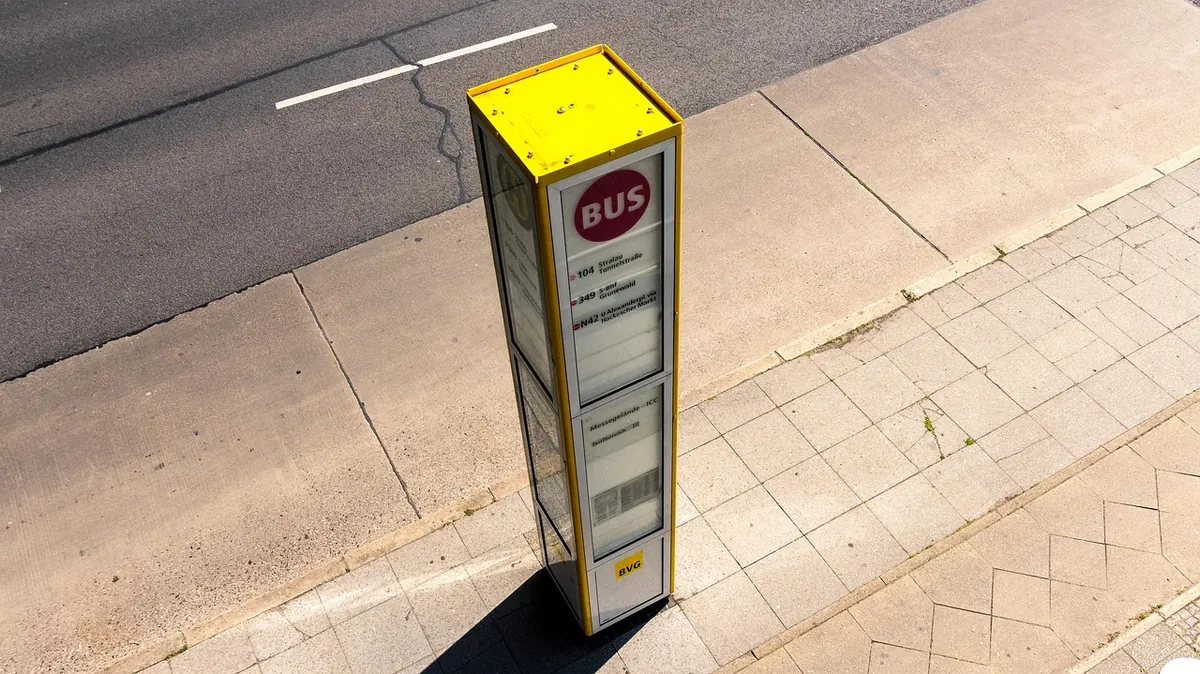
Tours look generous on paper — "valid all day" — but the last departures are usually much earlier than people assume, and the last bus often leaves the terminus well before it reaches your stop. Riders who board at 4pm expecting a full loop sometimes get a shortened route or a bus that's already heading back to the depot.
Two habits prevent this. First, photograph the timetable at the first stop you use; it's faster than hunting through an app with weak signal. Second, find out the departure time of the final bus from your stop, not from the start of the route, and set an alarm for thirty minutes before it. If you're planning to hop off somewhere far from the route late in the day, check how you'd get back without the bus. Traffic can also stretch a forty-minute loop into ninety, so don't build a tight connection to a train, a dinner booking or a timed entry ticket on the assumption that the bus will run to schedule.
4. Assuming the Upper Deck Is Always Better
It usually is — open air, higher sightlines, better photos. It isn't always. On routes with low tree cover, the top deck turns into a branch-slapping experience, and some streets and tunnels have height restrictions the driver will factor in. In rain or strong wind, the exposed section of an open-top bus is miserable, and some operators close it entirely. On hot days, the shaded lower deck can be the smarter choice.
There's also a safety side to this. On most open-top buses you must stay seated while the vehicle is moving, keep bags and arms inside the rail, and use the handrail on the stairs. Take the stairs facing the steps, not sideways, and wait for the bus to stop before standing up to leave. If you're travelling with children, agree on a meeting point before boarding, and settle them on the inside seat rather than the aisle.
5. Forgetting the Small Practical Kit
The difference between a comfortable tour and an irritating one is usually about four small items. Wired earphones, because a surprising number of buses still use a headphone jack for the recorded commentary and not every operator has spares. A water bottle. A light layer, since the top deck is windier than street level and the temperature drops once the sun goes behind a building. And a charged phone, because your ticket may be on it.
Two further notes. If your ticket is timed or activates on first use, don't scan or validate it early — read the instructions on the ticket or ask at the door, since activation rules vary between operators. And check the rules on food and drink before you settle in; many companies allow water but not hot drinks or messy food upstairs.
6. Skipping the Commentary and the Crew
Plenty of first-timers ride in silence, either because they didn't realise commentary was included or because they tuned it out after the first few minutes. Give it a proper chance for the first stretch — recorded and live commentary usually front-loads the orientation material that makes the rest of your day easier to plan. With live guides, sit near the front if you want to hear clearly, and ask questions when the bus is stopped. Drivers and guides are the best source of advice on which stop to use for a particular sight, which stop to avoid at rush hour, and where the nearest working toilets are.
A Quick Pre-Boarding Check
Before you climb the stairs, run through this: route and last departure time confirmed, correct side chosen, ticket handy, earphones and water within reach. Then relax and let the city come to you. If you get off somewhere and the next bus takes longer than expected, that's not a disaster — it's a reason to sit in a square with a coffee for twenty minutes. The tour will still be there when you get back on.
Photo: scholty1970 / Pixabay
You Might Also Like
Combine day passes, off-peak travel and short walks to turn a double-decker bus into an affordable all-day adventure, with practical tips for planning routes and timing.
Battery-electric double-deckers pair high-capacity bodies with electric drivetrains, and their range, charging and route planning decide whether they work for a given network.