Double-Decker Bus Models Explained: Open-Top, Enclosed, and Hybrid Compared
Stand on the top deck of an open-top bus in Edinburgh in July and you get wind, sun and an unobstructed view of the castle. Sit upstairs on a sealed double-decker in Manchester in February and you get a warm window, a padded seat and a clear view of the rain sliding down the glass. Same vehicle class, two entirely different jobs. What separates them is bodywork — not the chassis, not the engine, and not the paint.
Three configurations dominate the market: open-top, enclosed and hybrid. Each one solves a different problem, and each one creates a new set of compromises in maintenance, route planning and passenger comfort. Here is how they actually compare.
Open-Top: Built for the View
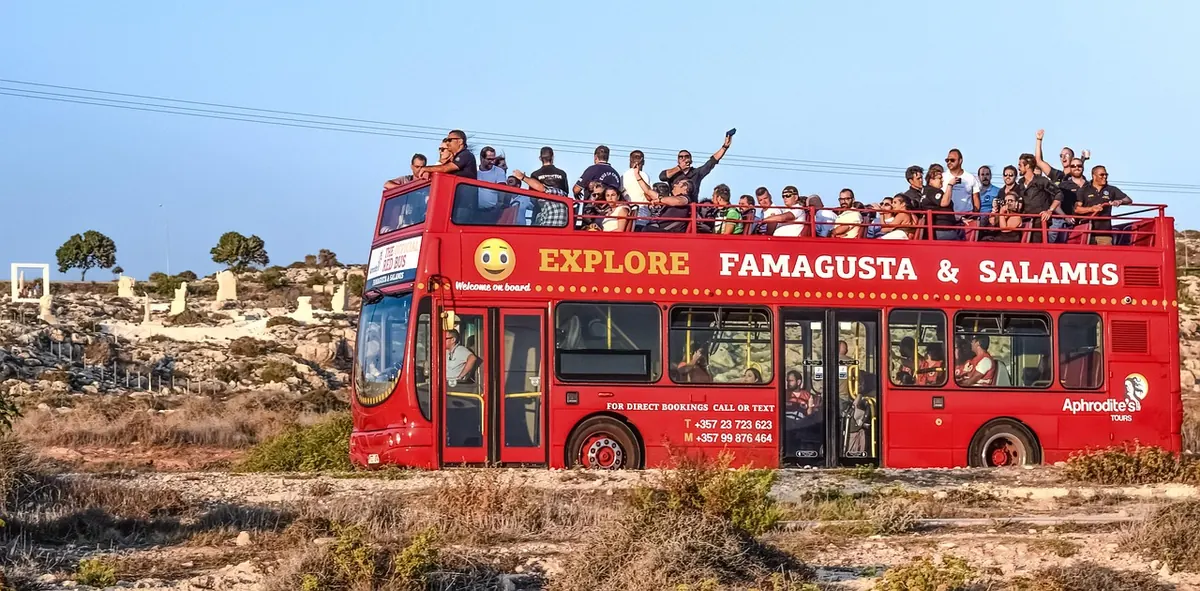
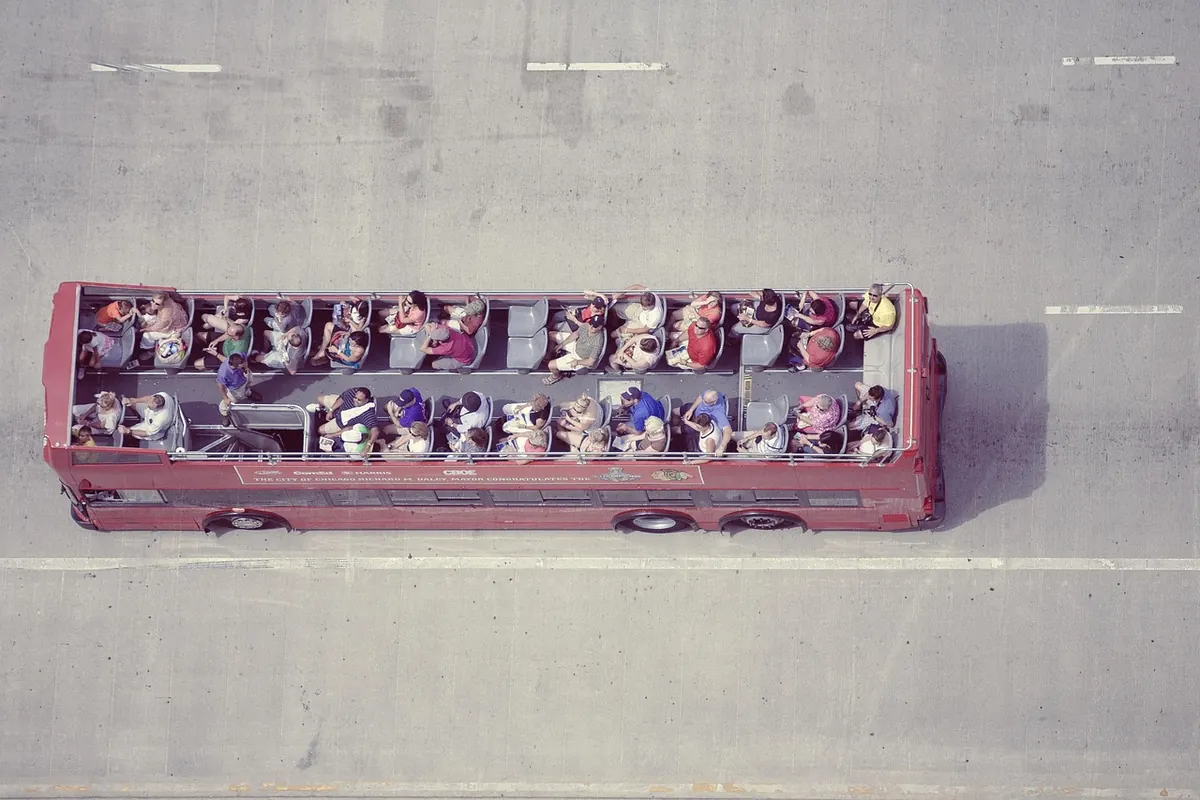
An open-top double-decker removes the roof from all or part of the upper deck. Most keep a fixed canopy over the front section, sheltering the staircase and the first few rows, with railings around the rest. On a well-specified bus those railings are solid, chest-height and paired with a kick plate, because the top deck of a moving bus is a windy, exposed place.
The advantages are obvious: uninterrupted sightlines, a sense of occasion, and photographs that sell tickets by themselves. The practical requirements are less obvious. Seats need drainage-friendly foam and no deep fabric, and floors need scuppers and channels so a rain shower does not leave standing water for the next departure. Operators often fit rain covers that the driver or a fitter pulls over the exposed deck overnight.
Route planning matters more than most buyers expect. Low branches, overhanging signage and tight tree canopies will find an open deck, and a swept path survey of the whole loop is worth doing before you commit. Standing on an open upper deck is normally prohibited, so capacity upstairs is fixed by the number of seats — you cannot pack a crowd in the aisles on a busy afternoon. On the plus side, open-top buses are usually the lightest of the three types and the easiest to cool, since they need no upper-deck ventilation system at all.
Enclosed: The All-Weather Workhorse
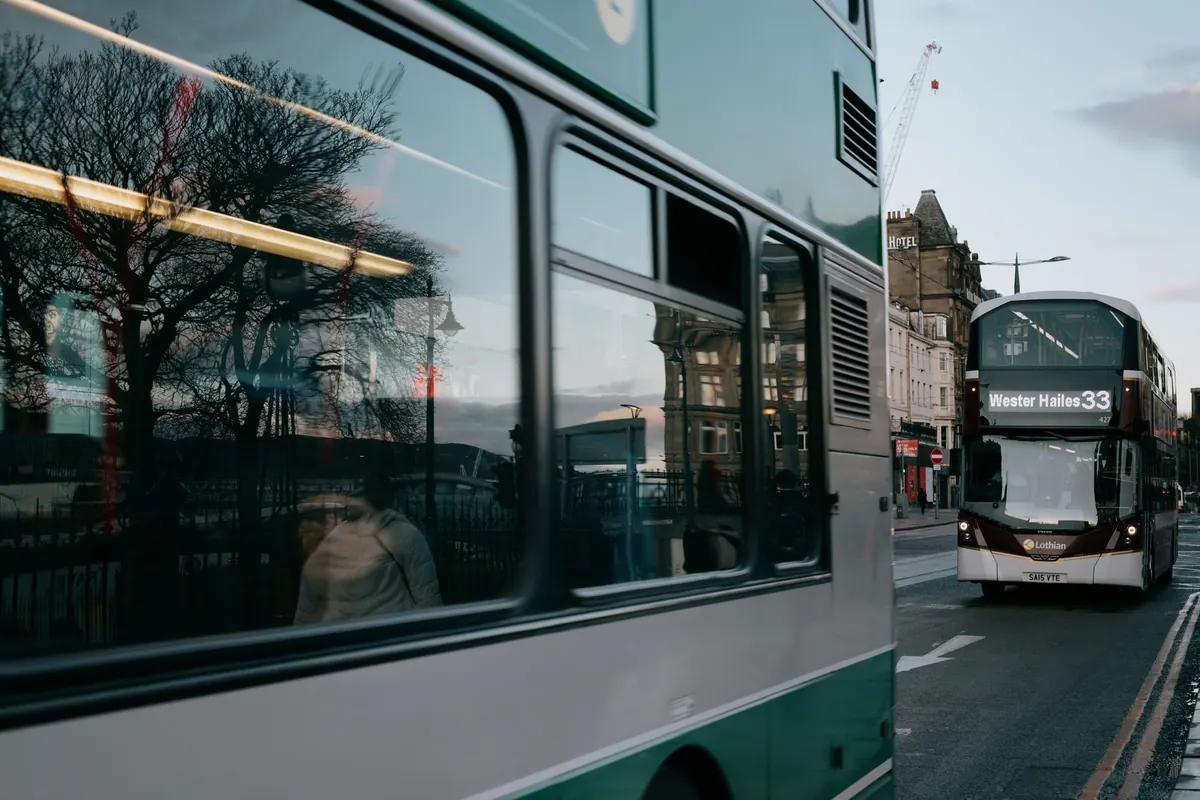
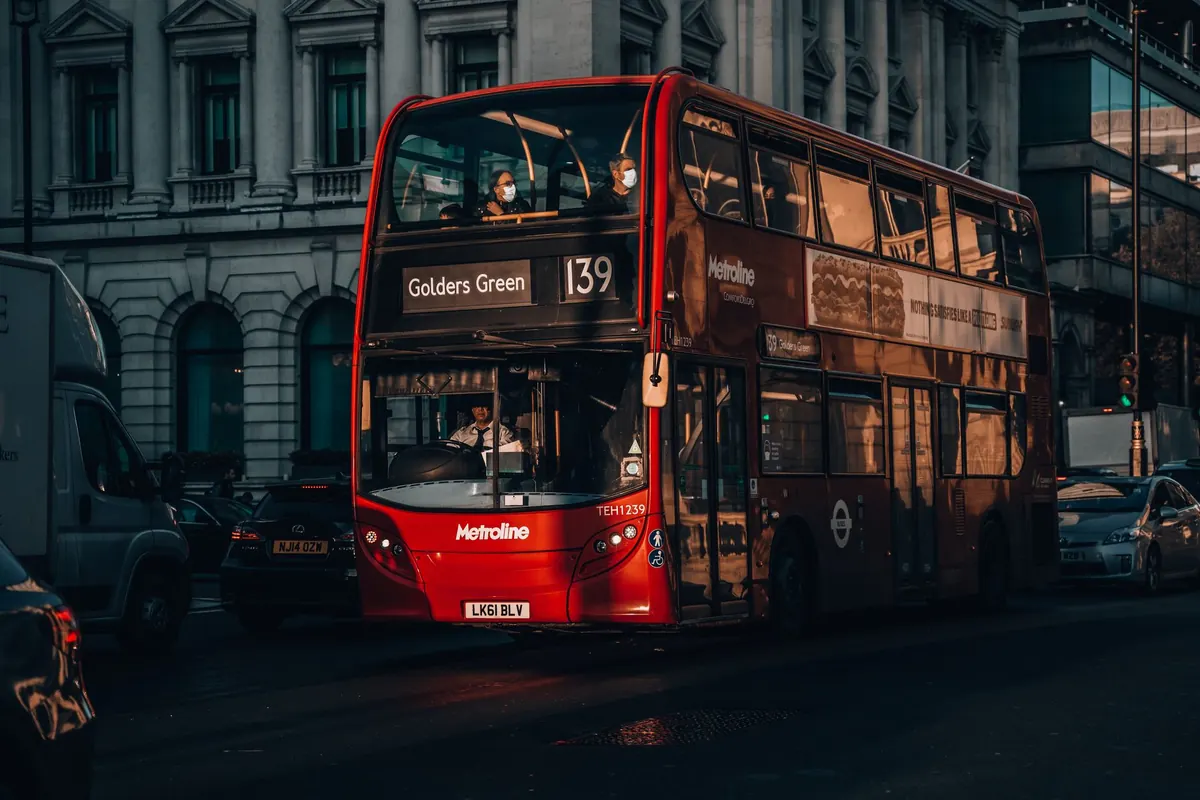
An enclosed double-decker has a full-height roof and sealed glazing on both decks, with heating, ventilation and, on newer vehicles, air conditioning. This is the commuter, school-run, park-and-ride and intercity configuration, and for good reason: it works in every season, on every route, at every hour.
Enclosed buses protect passengers from rain, wind and grit. They allow standing where local rules permit, which raises crush capacity on short urban hops. They are quieter inside, easier to keep clean, and generally hold their resale value across more markets, because a commuter operator will buy used stock that a tour operator no longer needs. Aerodynamically, a smooth roof does no harm on faster routes either.
The trade-offs are weight and height. Enclosed models are usually the tallest vehicles in the fleet, so bridge strikes and low canopies deserve a proper route risk assessment, and the extra glass and roof structure add mass that slightly increases fuel or energy consumption. If your route has a low bridge, an enclosed bus does not negotiate it — the route changes, or the model does.
The Hybrid Middle Ground
"Hybrid" covers several designs, and buyers should be precise about which one they are pricing.
- Partial open-top: the rear half of the upper deck is open, the front half is roofed. Common on hop-on hop-off fleets, it gives fair-weather passengers the open-air experience while keeping a sheltered block of seats for rain, wind or passengers who simply prefer it.
- Glass-roof panoramic: fully enclosed structure with a transparent or heavily glazed roof. Excellent for winter sightseeing, evening tours and Christmas lights routes, where the view is vertical as often as it is horizontal. Expect to manage glare, condensation and scratched panels.
- Convertible and removable-roof: soft tops, sliding panels or lift-off sections that let one vehicle serve summer tours and winter service. The most flexible option on paper, and the most demanding to maintain in practice.
Every hybrid adds a mechanism, a seal or a pane of glass that the other two types do not have. Leaks, draughts, rattles and sticking runners are the usual complaints, and they appear gradually rather than all at once. Budget for seal replacement and roof mechanism servicing as routine, not as a surprise.
Matching the Model to the Job
- Seasonal city sightseeing, spring to autumn: open-top, ideally with a covered front section for early and late departures.
- Year-round sightseeing: partial open-top or glass-roof panoramic, so a wet Tuesday does not cost you a full load.
- Commuter, school and shuttle contracts: enclosed. Reliability, heating and standing capacity matter more than views.
- Evening and winter tours, festive light routes: enclosed or glass-roof.
- Promotional, hospitality and event work: open-top or convertible, where the vehicle itself is the attraction.
- Routes with low bridges or dense tree cover: enclosed, standard height, no exceptions.
Design Details That Decide the Day
Staircase position
A front staircase frees up more lower-deck floor space and keeps the driver aware of who is coming down. A rear staircase spreads boarding load and suits turn-up-and-go tour stops. Neither is wrong; the route and boarding pattern should decide it.
Drainage and materials
On any open or partly open deck, choose non-absorbent seat foam, marine-grade fixings and floors that shed water quickly. This single decision saves more money over a vehicle's life than most specification upgrades.
Accessibility
The lower deck carries the wheelchair space and boarding ramp on every configuration. Adding open air upstairs never changes what happens at the kerb, so keep accessibility requirements in the specification from day one rather than retrofitting later.
Regulation
Height limits, standing rules on upper decks, railing requirements and roof conversion approval vary by country and often by region. Confirm the current rules with your local vehicle authority before ordering, and have any structural conversion — especially a roof removal — signed off by a qualified engineer.
A Practical Way to Choose
- Write down the route, month by month, and note the weather and the scenery passengers are paying for.
- Walk the route for height risks: bridges, cables, canopies, scaffolding and seasonal foliage.
- Decide whether standing capacity or seat count drives your revenue on the busiest day.
- Check who maintains the fleet and how far they are from your depot. Glass roofs and roof mechanisms need specialist attention.
- Price the whole life, not the purchase: seals, covers, glazing, drainage repairs and resale demand.
- If you run one vehicle and mixed work, choose the hybrid and accept the maintenance. If you run a fleet, mix enclosed commuter stock with open-top tour stock instead.
Get those answers on paper and the model almost picks itself. Open-top when the view is the product and the weather cooperates. Enclosed when the timetable is the product and the weather does not. Hybrid when you genuinely need both and can keep up with the upkeep.
You Might Also Like
Combine day passes, off-peak travel and short walks to turn a double-decker bus into an affordable all-day adventure, with practical tips for planning routes and timing.
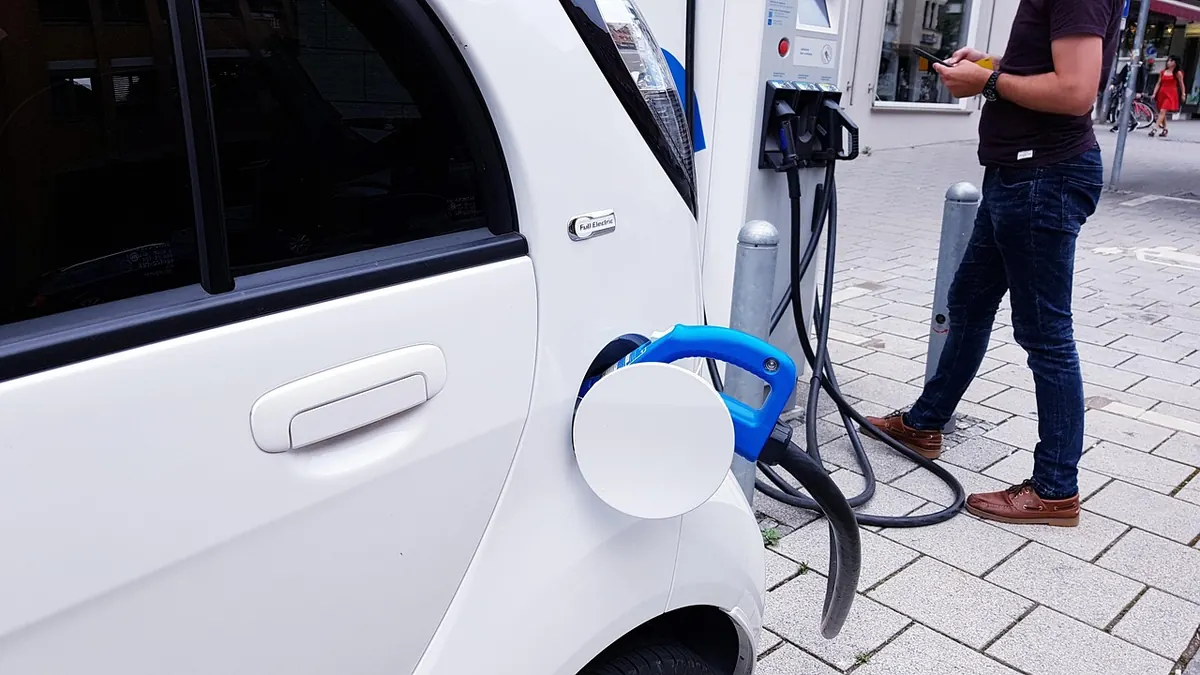
Battery-electric double-deckers pair high-capacity bodies with electric drivetrains, and their range, charging and route planning decide whether they work for a given network.